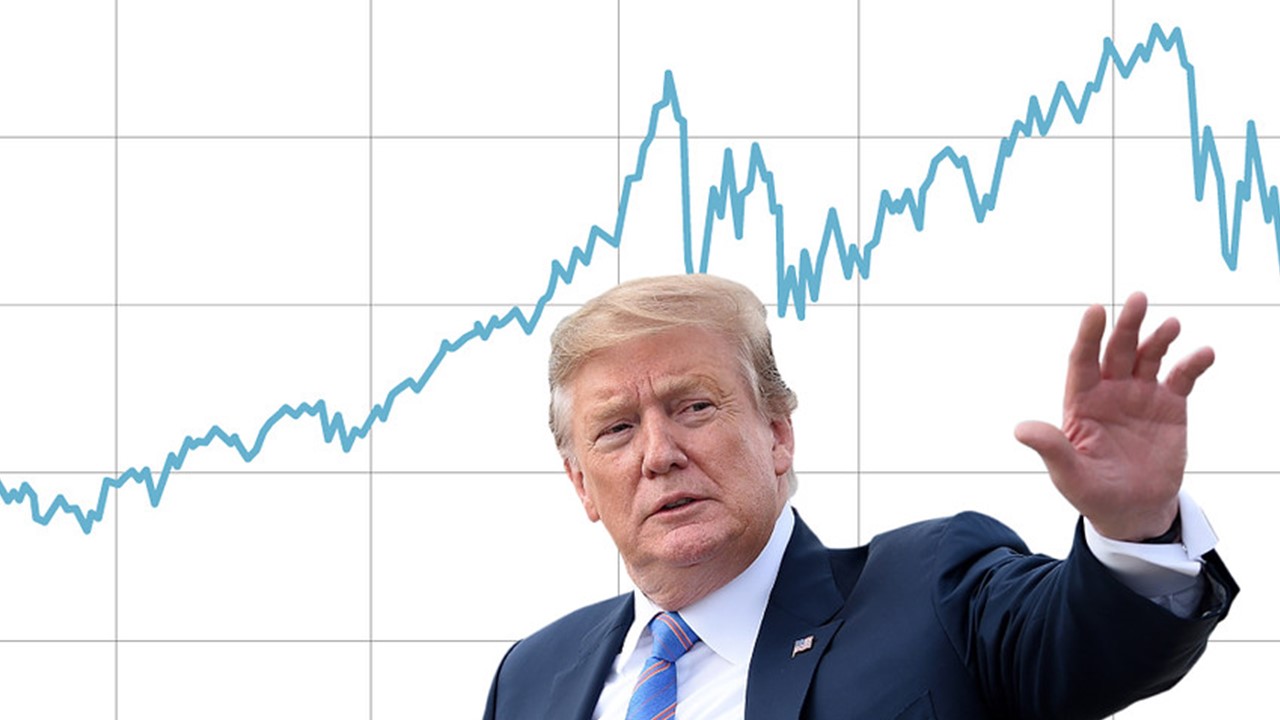
Every four years, the U.S. presidential election sparks debates, predictions, and—for many—concerns about the economy. With the current administration’s policies taking shape, markets are responding in real-time, creating opportunities and challenges for investors. So far, the reaction has been mixed, reflecting the complexities of balancing political priorities with economic realities.
Here, we’ll explore how markets have been affected by the current administration’s tenure so far and what investors might expect in the coming years. While it’s impossible to predict the future, understanding the factors at play can help you make informed decisions.
A Snapshot of Market Reactions So Far
Markets thrive on certainty, and new administrations often bring the opposite. The first year or two of any presidency typically sees fluctuations as policies and priorities come into focus. Here’s a breakdown of what’s happened so far under the current administration:
- Stock Market Performance:
- The stock market initially showed mixed reactions, with certain sectors—such as renewable energy and technology—experiencing gains due to policy priorities.
- Conversely, industries like fossil fuels and traditional manufacturing have faced headwinds due to regulatory changes and environmental initiatives.
- Interest Rates and Inflation:
- The Federal Reserve has maintained a watchful eye on inflation, which spiked due to pandemic recovery spending and supply chain disruptions. The administration’s fiscal policies, including stimulus packages, have contributed to higher demand, which in turn fueled inflation.
- Rising interest rates have aimed to curb inflation, but this has also impacted borrowing costs for businesses and consumers.
- Employment and Wages:
- Job growth has been steady in many sectors, but some industries are struggling to fill positions, partly due to shifting workforce dynamics post-pandemic.
- Wages have increased, which is great for workers but can squeeze corporate profit margins, affecting stock valuations.
Key Policy Areas Influencing Markets
Every administration comes with its own set of priorities that influence market sectors differently. Here’s how some of the current administration’s focus areas are shaping economic trends:
- Green Energy Initiatives:
- Policies supporting renewable energy have boosted solar, wind, and electric vehicle (EV) industries.
- Traditional energy sectors, like oil and gas, are facing regulatory hurdles, creating uncertainty for investors in those areas.
- Technology and Innovation:
- Investments in infrastructure and technology, including broadband expansion and artificial intelligence (AI), have spurred growth in tech-related stocks.
- Antitrust scrutiny could create challenges for major tech firms, introducing volatility in this otherwise booming sector.
- Healthcare:
- Proposals to lower prescription drug costs and expand healthcare coverage are creating uncertainty for pharmaceutical and insurance companies.
- Companies that adapt to a value-based care model could see long-term growth.
- Tax Policy:
- Proposed changes to corporate tax rates could impact company earnings, particularly for multinational corporations. Investors should keep an eye on how tax reforms evolve, as they can directly influence stock prices.
What to Expect in the Next Four Years
While no one has a crystal ball, there are a few key trends and possibilities to keep in mind:
- Ongoing Market Volatility:
- Political decisions, global conflicts, and lingering pandemic effects are likely to create waves in the market. Investors should prepare for short-term turbulence but keep a long-term perspective.
- Shifts in Global Trade:
- Trade agreements and policies will shape global supply chains and impact industries like agriculture, technology, and manufacturing. Keeping an eye on these developments can help you spot opportunities.
- Focus on Sustainability:
- The push for environmental, social, and governance (ESG) investing is unlikely to slow down. Companies that align with ESG principles may attract more investors, while those lagging behind could struggle.
- Potential for Recession or Recovery:
- Economic growth will depend on how effectively the administration balances fiscal policy with controlling inflation. Recession risks remain, but a soft landing is possible if the Federal Reserve’s efforts to stabilize the economy succeed.
- Opportunities in Innovation:
- Advances in technology, clean energy, and healthcare innovation could create new investment opportunities. Staying informed about emerging industries can help you identify growth areas.
How Should Investors Navigate This Landscape?
Given the uncertainties, a cautious yet proactive approach is essential. Here are some strategies to consider:
- Diversify Your Portfolio:
- Spread your investments across sectors, asset classes, and geographic regions to reduce risk. Don’t put all your eggs in one basket, especially in a volatile market.
- Stay the Course:
- Market ups and downs are normal. Stick to your long-term investment plan and avoid knee-jerk reactions to short-term news.
- Keep an Eye on Inflation:
- Consider assets that historically perform well during inflationary periods, such as real estate, commodities, and Treasury Inflation-Protected Securities (TIPS).
- Research Policy Impacts:
- Stay informed about the administration’s policies and how they might affect specific sectors. Knowledge is power when making investment decisions.
- Seek Professional Advice:
- If you’re unsure how to navigate these complexities, consider consulting a financial advisor. They can help tailor strategies to your goals and risk tolerance.
Presidential administrations always bring changes that ripple through the economy and markets. While the current administration’s policies create both challenges and opportunities, the key to successful investing remains the same: stay informed, diversify, and think long-term.
Remember, the market’s reaction to political events is often temporary. Focus on building a portfolio that aligns with your goals and risk tolerance, and let time do the heavy lifting. After all, investing isn’t about predicting the future—it’s about preparing for it.
Leave a Reply